About Jet Lim
New launches, HDB upgrades, honest advice. That's it.

Jet LimCEA Registration: R072172Z
Hey, I'm Jet. Nice to meet you.
I help buyers and sellers navigate the Singapore property market with a straightforward, data-first approach. Whether you're looking at new launches, upgrading from an HDB to private property, or planning your next investment property, I focus on the numbers and facts so you can make confident decisions.
Before recommending anything, I look at actual transaction prices for similar units, check the upcoming supply pipeline, and compare options across developments so you see the full picture. You get honest, well-researched advice — not a sales pitch.
DataDriven Advice
ZeroHard Selling or Pressure
100%Dedicated Service
FreeOne-to-One Consultation
New launch, HDB upgrade, or just want to chat? WhatsApp me. No agenda, no pressure.
How I Work
Simple, transparent, and at your pace.



What I Can Help With
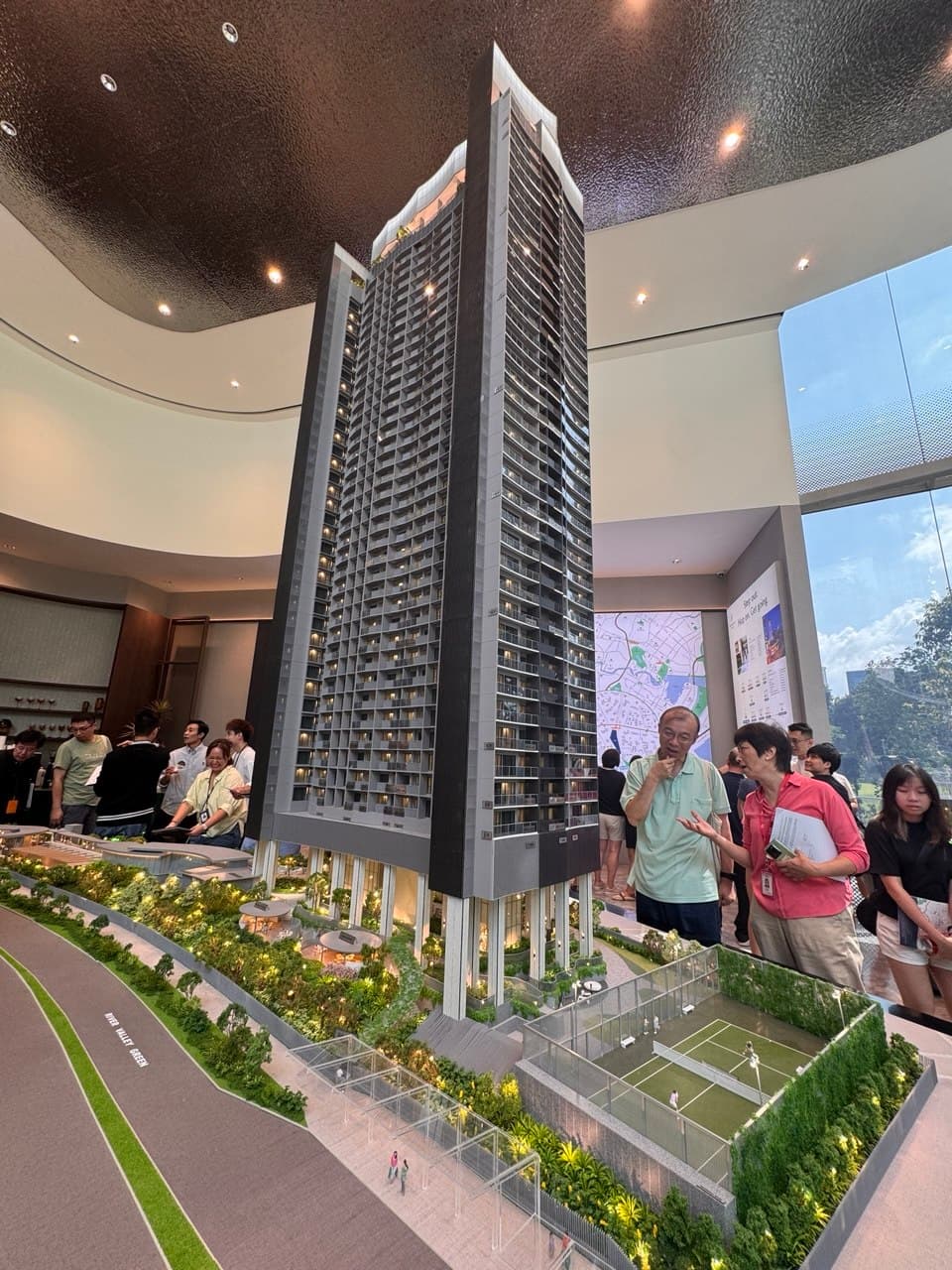
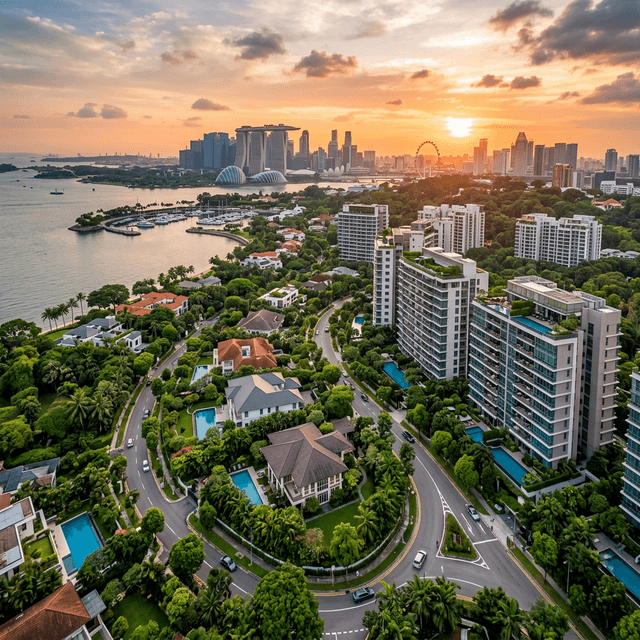
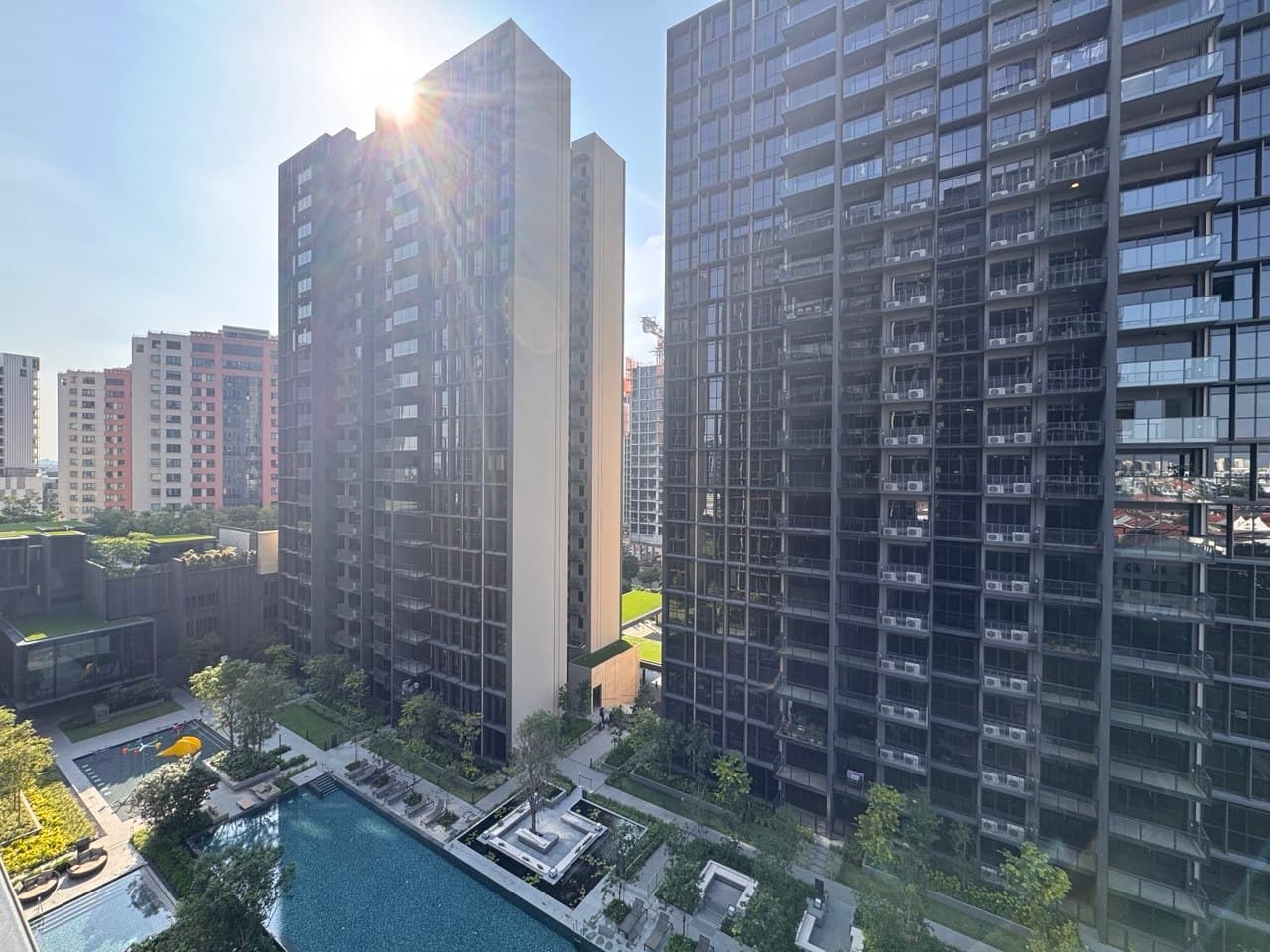
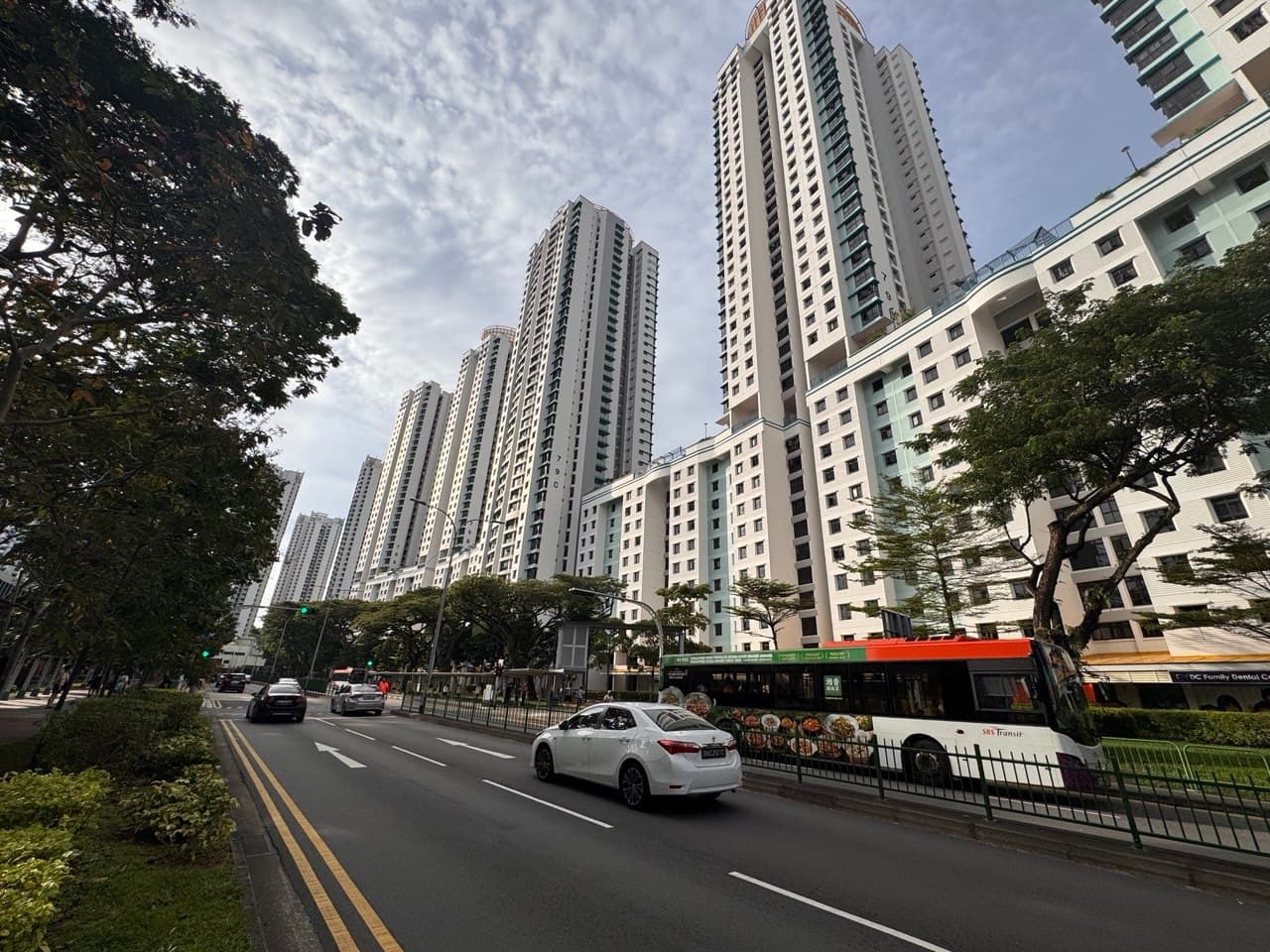
Common Questions
These come up in almost every first conversation, so I figured I'd save you the Google search.
What is ABSD (Additional Buyer's Stamp Duty)?+
ABSD is an extra tax you pay on top of the normal Buyer's Stamp Duty when purchasing residential property in Singapore. Singapore Citizens pay 20% ABSD on their second property, PRs pay 5% on their first and 30% on their second, and foreigners pay 60% on any residential purchase. It's one of the biggest costs to factor in.
What is TOP (Temporary Occupation Permit)?+
TOP is the date when the government certifies that a new development is safe to move into. For new launches, this is typically 3-5 years after the project launches. You start paying your full mortgage only after TOP if you're on the Progressive Payment Scheme.
What is the difference between freehold and 99-year leasehold?+
Freehold means you own the land forever. 99-year leasehold means your ownership expires after 99 years from the date the lease was granted (not from when you buy). Most new condos in Singapore are 99-year leasehold. Freehold properties tend to command a premium but the price gap doesn't always translate into better returns.
What is PSF (Price Per Square Foot)?+
PSF is the most common way to compare property prices in Singapore. You take the total price and divide by the unit size in square feet. For example, a $1.5M unit that's 1,000 sqft = $1,500 psf. It helps you compare across different projects and unit sizes on a like-for-like basis.
What is the Progressive Payment Scheme?+
When you buy a new launch condo, you don't pay everything upfront. Instead, you pay in stages as construction hits milestones — foundation, concrete frame, walls, etc. This means lower monthly mortgage payments during the building period. Only after TOP do you start paying the full amount.
What is OTP (Option to Purchase)?+
The OTP is the document you sign when you decide to buy a property. For new launches, you sign the Sales & Purchase Agreement directly. For resale, the seller grants you an OTP (usually for a $1,000 option fee for HDB or 1% for private), giving you 21 days (HDB) or 14 days (private) to decide whether to proceed.
What is BSD (Buyer's Stamp Duty)?+
BSD is the standard tax everyone pays when buying property in Singapore. The rates are: first $180K at 1%, next $180K at 2%, next $640K at 3%, next $500K at 4%, next $1.5M at 5%, and anything above $3M at 6%. This applies to all buyers regardless of nationality or number of properties.
What does EC (Executive Condominium) mean?+
ECs are a hybrid between HDB flats and private condos. They're built by private developers with condo facilities, but come with income ceilings and other eligibility restrictions. After 5 years you can sell to Singaporeans/PRs, and after 10 years the restrictions are fully lifted and it becomes essentially a private condo.
What is SSD (Seller's Stamp Duty)?+
SSD is a tax you pay if you sell your property within 3 years of buying it. The rates are 12% if sold in Year 1, 8% in Year 2, and 4% in Year 3. After 3 years, no SSD. This is the government's way of discouraging property flipping.
What is TDSR (Total Debt Servicing Ratio)?+
TDSR limits your total monthly debt repayments (including the new mortgage, car loans, credit cards, etc.) to 55% of your gross monthly income. This is the bank's way of making sure you can actually afford the loan. It's one of the first things I check when clients ask me what they can afford.
What is MSR (Mortgage Servicing Ratio)?+
MSR applies only to HDB flats and ECs. It caps your monthly mortgage payment at 30% of your gross monthly income. This is stricter than TDSR and is the reason why some buyers who can technically afford a private condo on paper may struggle to get an HDB loan approved.
What does en bloc mean?+
En bloc (or collective sale) is when all the owners in a development agree to sell the entire site to a developer. The developer then tears it down and builds something new. If you own a unit in an en bloc sale, you typically get a premium above market value. It's like hitting a mini property lottery, but the process can take years.
Got a Property Question?
Doesn't have to be a big thing. Maybe just wondering what your place is worth, or curious about a new launch you saw on Instagram. Message me. Happy to help.